

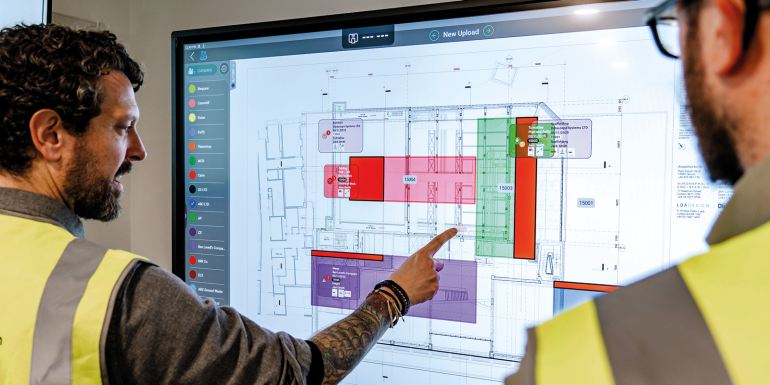
Adrian Butt, CEO at DataScope, underscores the importance of utilising technology to reduce site incidents and project delays, as well as ensure regulatory compliance.
The construction industry remains in a state of flux, with ever-tightening project deadlines, rising material costs and strict standards putting significant pressure on senior project managers. However, safety must remain a primary concern.
Despite significant advancements in health and safety protocols, UK construction sites remain dangerous workplaces, with 35 construction site fatalities in 2024/25. This exacerbates the need to identify risks, prevent hazards and manage health and safety processes more efficiently.
As much of the important record-keeping has traditionally been carried out on paper – meaning documents and vital information can often be mislaid – some general contractors have begun to streamline site risk management digitally. Although it’s an encouraging step for the sector, many use standalone, disconnected systems. The lack of cohesion and fragmented visibility create various operational, safety and compliance risks.
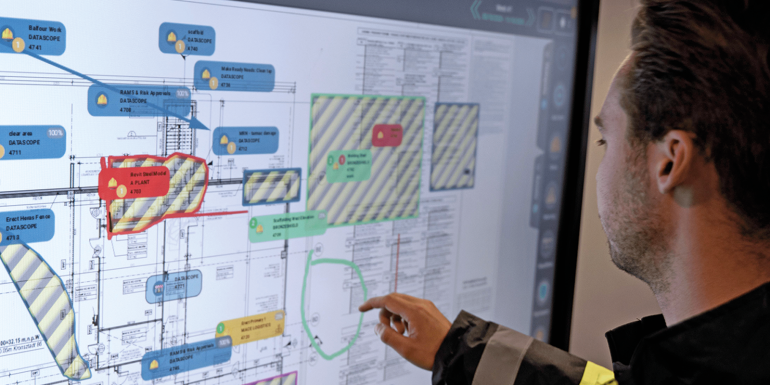
Take site clashes, for example. Without effective planning and a cohesive site management strategy, contractors, engineers, differing trades and machinery are likely to be in close proximity, substantially increasing the likelihood of clashes and accidents. By utilising site management software, site managers and senior project directors can access information that details which sub-contractors are working and where they are on-site. Overlaps can be identified, prioritised at daily activity briefings, and then resolved and co-ordinated out of the daily work plan.
Greater transparency and accountability
The importance of keeping workforces up to date on new and potential hazards cannot be understated. Digital site management platforms give anyone working on-site the instant ability to report hazards and risks directly in the field, before these escalate. This real-time reporting reduces the potential for site accidents and enhances any project’s safety practices. In fact, data collected by DataScope revealed more than 170 construction projects utilising digital daily briefing software saw accident reductions of up to 40%.
Digital brings greater transparency. Traditional paper-based site management systems often risk the misplacement of critical safety data and information, while digital logs created by one single, cohesive platform ensure an easy-to-follow audit trail. Consequently, senior project directors and site managers can quickly and accurately track, assign and finalise safety actions. Leveraging technology in this way means no missing paperwork and, crucially, no compliance gaps.
With site managers spending at least 10-15 hours per week on safety-related activities on-site – be that site walks, inductions, paperwork or compliance – streamlining site management processes to enable them to allocate their time accordingly is vital.
Digital platforms minimise the delays associated with manual reporting, simplify and automate complex processes and provide quick access to information to empower proactive decision-making. Indeed, DataScope data, from the sample of 170 construction projects, suggests the leveraging of daily briefing software reduced downtime, delays and rework by 30%.
While technology adoption across the construction industry is showing signs of improvement, there is still too much focus on single-use technology. These systems lead to a complex, costly and fragmented technology stack, which ultimately has less combined benefit and operational resilience than connected systems. Isn’t it time to reconsider fully-integrated digital safety management software?
More information is available here.
Image credit | DataScope
Related Content


Jobs

Permanent
Senior Quantity Surveyor- Civils/ Power
Permanent
Quantity Surveyor

Permanent
Assistant Quantity Surveyor
Permanent