

The proverb “the road to hell is paved with good intentions” has never been truer than when home improvements go wrong, says Sava. So how can surveyors help?
Not all defects arise from neglect or a failure to maintain. In fact, some of the most problematic property issues stem from well-meaning attempts to improve a home. Whether it is an effort to boost energy efficiency, maximise space or enhance aesthetics, unintended consequences can compromise the health and safety of occupants, as well as the structural integrity of a property.
As building professionals, surveyors are uniquely placed to identify these hidden hazards. This article explores some of the common examples, and how we can help clients manage and avoid them.
Moisture and mould: when energy efficiency backfires
Damp, condensation and mould are among the most frequently encountered issues picked up during residential surveys. Ironically, in many cases these are not caused by disrepair, but by homeowners’ attempts to make their properties warmer and more energy efficient.
For example, blocking ventilation routes – such as trickle vents, disused chimneys or extractor fans – is a common DIY solution to draughts. While this may offer short-term comfort, it traps moisture generated by everyday activities such as cooking and showering. Condensation then forms on cooler surfaces, creating the ideal conditions for mould growth.
Another recurring culprit is poorly installed or inappropriate insulation. Common issues include:
- cavity wall insulation (CWI) installed in properties with damp walls where the damp may be because of a lack of maintenance (faulty or blocked guttering, for example) or a defect such as debris on wall ties where moisture from an outside surface can track across into the inner surface of the cavity wall
- CWI installed in locations that are inappropriate eg exposed locations vulnerable to wind-driven rain
- loft insulation laid at the joists blocking eaves vents, reducing necessary roof space ventilation
- spray foam loft insulation, trapping moisture against roof timbers; and
- uneven insulation creating cold bridges that increase the risk of internal damp.
While the intention may be to reduce energy bills, these missteps often do more harm than good. Surveyors play a critical role in identifying such problems, and today there is a host of valuable technology to support their visual inspection such as moisture meters or thermal imaging cameras. When insulation is part of the problem, removal or corrective installation – along with remedial repairs to affected structures – may be required.
Even exterior landscaping choices can introduce moisture risks. For instance, raising patio levels too close to the damp-proof course (DPC) allows rainwater to splash onto walls above the DPC, promoting damp ingress. A simple guideline – maintaining at least 150mm between ground level and DPC – can prevent this.
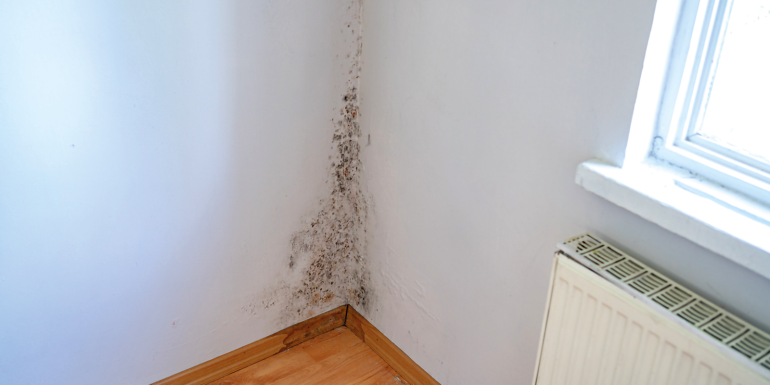
Mould growth on walls of a residential property
Weighty issue: structural risks from roof replacements
Another area where good intentions can cause harm is in roof refurbishment. A common example is the replacement of traditional lightweight slate or clay tiles with heavier modern alternatives, often without upgrading the supporting structure.
This mismatch can lead to visible roof sagging – commonly known as dishing – if original rafters and purlins are overstressed. The solution usually involves installing properly designed struts to support the purlins and safely redistribute the additional load. Crucially, these struts must be correctly positioned to avoid placing stress on inappropriate elements, such as ceiling joists.
These issues often arise when aesthetic upgrades are made without structural advice. As surveyors, we must remain alert to the signs and educate clients on the implications of unchecked modifications.
Key recommendations to share with clients include:
- Seek professional advice before undertaking structural or energy-efficiency upgrades.
- Maintain adequate ventilation, even when making thermal improvements.
- Check for guarantees and certification when buying or inheriting previously modified homes.
- Schedule regular inspections, particularly after major works or during seasonal changes.
- Commission a detailed survey before purchasing a property – good surveyors don’t just highlight defects, they also investigate root causes and recommend proportionate remediation.
Alterations to maximise space
As families grow and lifestyles change, occupiers naturally seek to maximise space. However, DIY or poorly specified alterations can result in serious structural risks. A particularly dangerous example is the partial removal of chimney breasts – where lower storey sections are removed but the upper stack is left unsupported in the loft. This can create a significant hazard, especially during storms or subsidence events.
Similarly, loft conversions that bypass structural calculations or Building Regulations may lead to weakened roof structures, deflection or instability, posing long-term safety concerns.
Surveyors are trained to spot these issues through visual inspection, examination of internal layouts and even comparisons with past listings or satellite images. These insights help build a full picture of unauthorised or poorly executed work.
What ties these scenarios together is not malice or neglect, but the absence of proper advice. Too many homeowners still undertake work without consulting professionals – often influenced by outdated advice or online tutorials. As surveyors and building engineers, we can help break that cycle.
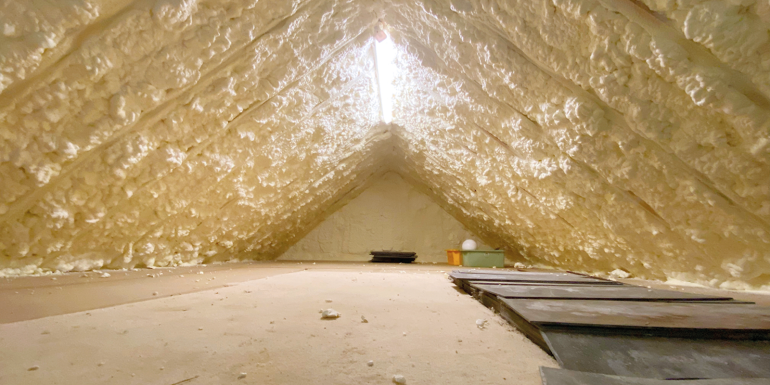
Spray foam in roof space can trap moisture against roof timbers
A proactive role for surveyors
Property improvements should enhance wellbeing, not undermine it. Yet, without expert input, even the most well-intentioned changes can lead to hidden hazards that impact occupant health and building safety.
Surveyors play a vital role in identifying these unintended consequences, helping clients make informed decisions and guiding remedial works. As our sector evolves to meet modern demands for energy efficiency and adaptable homes, our duty to promote competence, compliance and occupant safety is more important than ever.
Sava has a part-time vocational route into the residential surveying profession. Sava’s Diploma in Residential Surveying and Valuation is a Level 6 degree-alternative qualification that is recognised by industry firms and approved for direct entry into CABE and the Royal Institution of Chartered Surveyors. For more information visit b.link/Sava_DRSV
Image credit | iStock
Related Content


Jobs

Permanent
Senior Quantity Surveyor- Civils/ Power
Permanent
Quantity Surveyor

Permanent
Assistant Quantity Surveyor
Permanent