
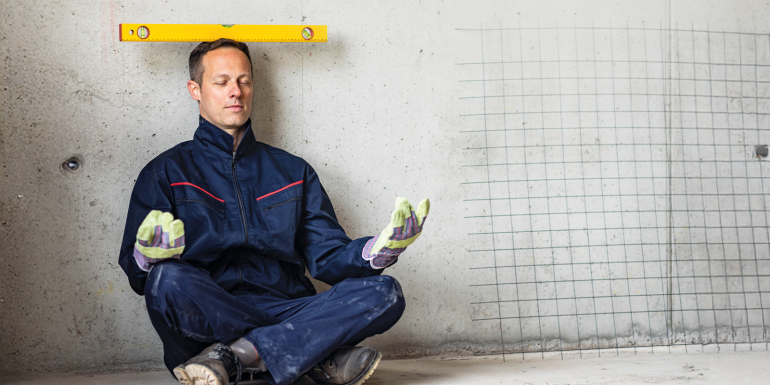
PMAC’s Peter Russell offers some tips to incorporate into your working day to manage stress and prevent burnout in the workplace.
In engineering, where high standards and time pressure are part of the job, it’s easy to miss the warning signs. Fatigue, irritability, a lack of focus and a dip in motivation can all signal burnout creeping in.
Things like unrealistic workloads, long shifts and isolation only add to the load. Fortunately, taking on a few simple habits can help you manage stress, boost confidence and protect your wellbeing – without needing to overhaul your entire routine.
Seven tips to manages stress
- Prioritise micro breaks, even on busy days. Skipping breaks might feel like a productivity win, but over time it drains your mental battery. Engineers often spend long hours focused on detailed tasks, so short pauses – five minutes to stretch, walk or just step outside – can make a real difference. Set a timer if you need and treat breaks like non-negotiable maintenance.
- Start your day with a plan (but keep it flexible). A clear, realistic to-do list gives your brain structure and helps reduce that sense of being constantly overwhelmed. Prioritise tasks by urgency and energy required, but also leave space for unexpected issues. This helps you reduce decision fatigue so you can focus on where it counts.
- Protect focus time. Engineers are often pulled in multiple directions – site issues, emails, calls and quick fixes. Blocking out dedicated focus time (even just 45 minutes) without interruptions can help you stay on top of complex tasks without constantly shifting gears. Use noise-cancelling headphones or a Do Not Disturb sign if you need to.
- Don’t skip meals or hydration. It sounds basic, but it’s easily overlooked – especially on-site or during long design sessions. Skipping meals or staying under-hydrated affects your concentration, mood and decision-making. Keep healthy snacks and a water bottle nearby.
- Get comfortable saying “no” (or “not yet”). Burnout often builds from taking on too much without pushback. If your plate is full, speak up. “I’m happy to help, but I need to finish this first” is a polite way to set a boundary without burning bridges. Remember, protecting your time protects your performance.
- Use movement to reset your mood. A 10-minute walk, a few stretches between meetings or taking the stairs instead of the lift can help lower stress hormones and boost focus. Regular movement also helps offset the long hours spent at a desk.
- Make space for a non-work identity. It’s easy for your whole identity to revolve around deadlines and deliverables. Reconnect with hobbies, people and routines that remind you of who you are outside of work. That balance builds resilience and helps prevent burnout.
Stress may come with your job, but burnout doesn’t have to. Engineering takes skill, precision and resilience. That comes from people, not just processes. Looking after your wellbeing isn’t a weakness; it’s what helps you stay sharp, steady and proud of the work you do.
PMAC is a provider of workplace mental health training – visit pmac.uk
Image credit | iStock
Related Content
Jobs

Permanent
Senior Quantity Surveyor- Civils/ Power
Permanent
Quantity Surveyor

Permanent
Assistant Quantity Surveyor
Permanent