

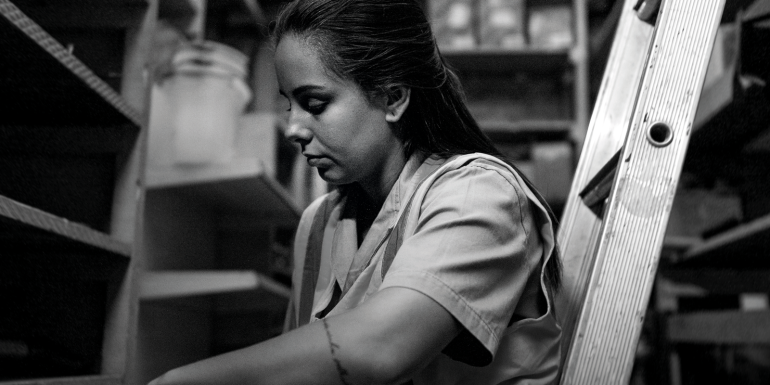
A Unite survey has found that sexual harassment is endemic in construction – and the union believes the Worker Protection Act is failing female employees.
Almost a third of female construction workers have been sexually assaulted in the workplace, a Unite survey has revealed. The union, which represents hundreds of women in the sector, surveyed whether they had experienced sexual harassment while at work, travelling to work or from a colleague including in out-of-work hours.
The survey, part of Unite’s ‘Zero Tolerance to Sexual Harassment’ campaign, found:
- a third of women in the sector have suffered work-related sexual assault
- 65% had experienced unwanted flirting, gesturing or sexual remarks
- 70% had been the recipient of sexually offensive jokes
- 54% had been inappropriately touched
- 41% had been shared or shown pornographic images by a manager, colleague or third party; and
- 17% had been a victim of sexual coercion – when a person pressures, tricks, threatens or manipulates someone into engaging in sexual activity without genuine consent – at work.
Of those who had been sexually harassed at work, 51% had it happen more than twice. However, 76% of respondents did not report these incidents as they were worried they wouldn’t be believed or it would put their job at risk, while others felt it wasn’t taken seriously when they did raise it. Just 8% said the issue was addressed or tackled by management.
Hear our voices
One female worker said: “There was a man at my work who kept touching me and one of my colleagues. When we approached the manager the person in question got spoken to; however, [he] then went round telling everyone we were dangerous for reporting him. I felt that it wasn’t taken seriously enough.”
Another said: “I still feel there are inadequate protections for women working in construction. The toilet and changing room facilities can often lead to increased incidences of unwanted encounters and behaviour from male members of staff.”
Meanwhile, some women said they either had to carry on working with abusers after reporting incidents or were forced out of their own roles.
One respondent said: “I was sexually harassed by my manager in a previous job for several months. I finally built up the courage to confide in the company owner, who reassured me that I’d done the right thing by telling him. He sacked me the following morning … it devastated me and drove me away from working in the construction industry for many years.”
The Worker Protection Act 2023
In October 2024, the Worker Protection Act 2023 became law. This means employers must take measures to prevent sexual harassment from happening in the workplace and at work events such as conferences. However, Unite’s research shows this is not being implemented fully.
Unite’s survey found just 25% of women working in construction felt their employer had done enough to promote a sexual harassment zero-tolerance culture within the workplace following the implementation of this legislation.
Unite has launched the ‘Zero Tolerance to Sexual Harassment’ campaign calling for greater protections to end workplace harassment through the following measures:
- the introduction of a standalone sexual harassment policy
- mandatory training on sexual harassment for all employees
- the deadline for being able to make a claim in an employment tribunal to be extended from three months after the incident occurred to six months as a minimum for lodging a claim; and
- the government to put in extra legal protections – for example, third-party harassment – and sexual harassment to be treated by the GB Health and Safety Executive as a workplace injury.
Unite National Women’s Officer Alison Spencer-Scragg says: “The Worker Protection Act has not gone far enough in keeping women who work in construction – a very male-dominated sector – safe from sexual harassment at their workplace.
“Employers are not taking their obligations seriously despite the fact it is the law. This is creating a culture where sexual harassment is going unreported, while those who do take issues forward are left feeling disbelieved, forced to work with abusers and even losing their roles.”
Unite National Officer for Construction Jason Poulter agrees: “All women in the sector must be protected in the workplace and feel emboldened to report incidents, as well as know they have the full support of their employer that harassment will be dealt with, but this is not happening.”
Unite General Secretary Sharon Graham says: “Staff safety should be among the highest priorities for employers in construction. The results of our survey are damning and show women workers are being failed by bosses.”
Find out more at b.link/Unite_ZTSH
Image credit | iStock
Related Content

Jobs

Permanent
Senior Quantity Surveyor- Civils/ Power
Permanent
Quantity Surveyor

Permanent
Assistant Quantity Surveyor
Permanent